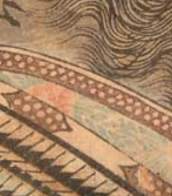
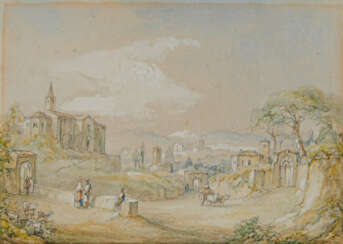
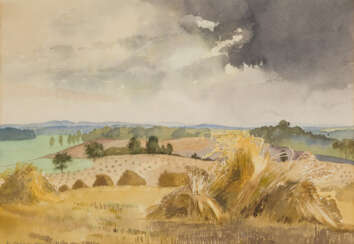
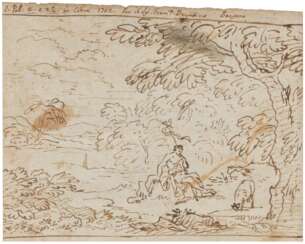
drawing landscape


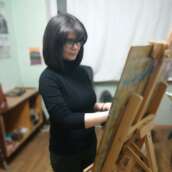
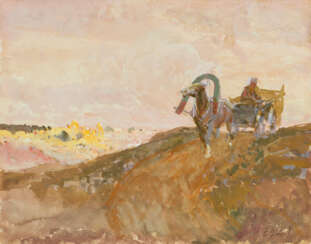

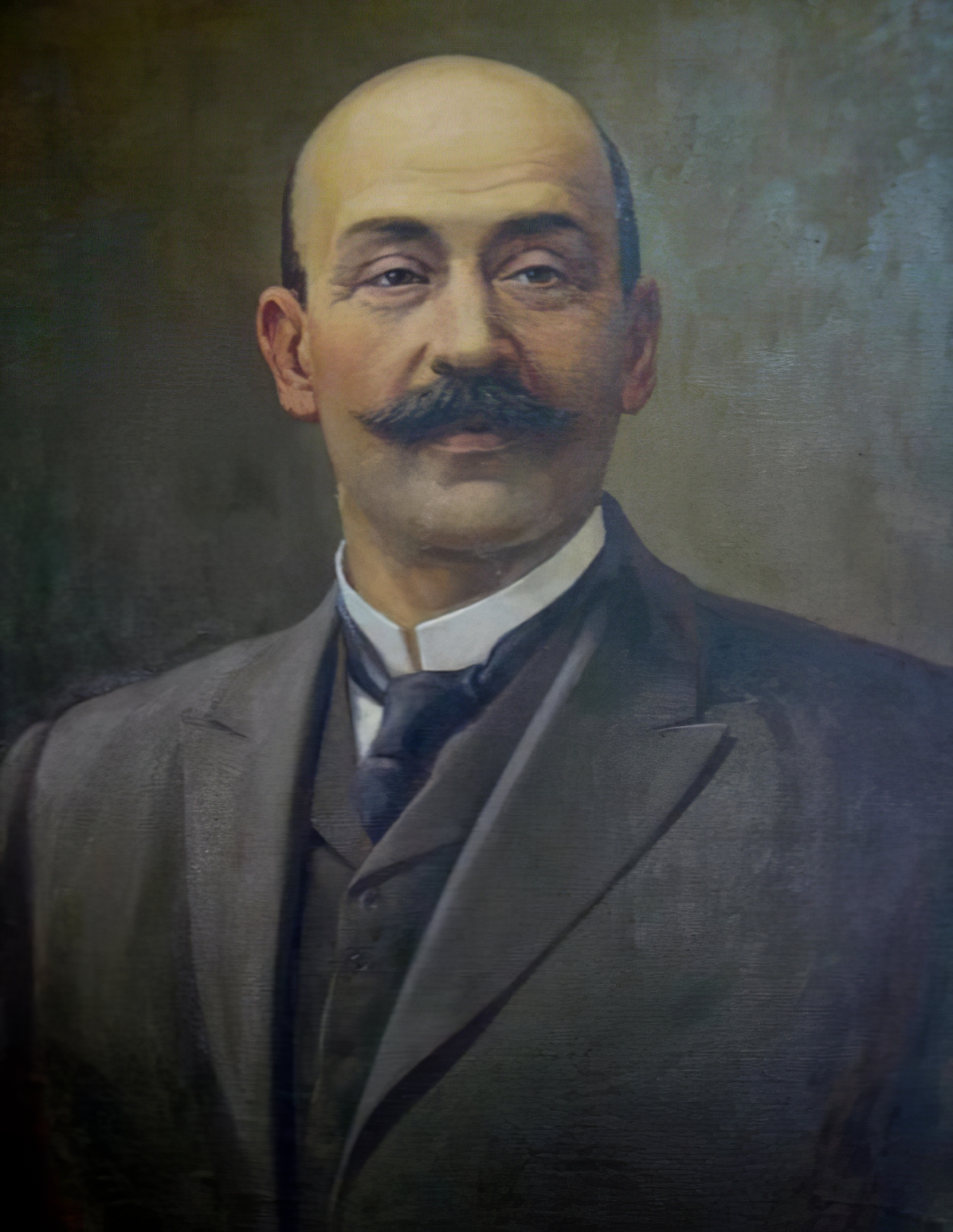
Franz Roubaud (Russian: Франц Алексеевич Рубо) was a Russian painter, known for his panoramic paintings and battle scenes. Born in Odessa in 1856, Roubaud studied at the Imperial Academy of Arts in St. Petersburg and furthered his education in Munich. His works are celebrated for their meticulous detail and dynamic composition.
One of his most famous works is the "Siege of Sevastopol," a monumental panorama depicting a key event from the Crimean War. This masterpiece is housed in the Panorama Museum in Sevastopol and stands as a testament to Roubaud's ability to convey historical grandeur and emotional intensity.
Roubaud's contributions to Russian art extend beyond his canvases, as he was also a respected professor at the Academy of Arts in St. Petersburg. His legacy continues to influence modern Russian painters, and his works are sought after by collectors and art enthusiasts worldwide.
Stay updated on new product sales and auction events related to Franz Roubaud (Rubo) by signing up for our newsletter. Don’t miss the chance to own a piece of history!







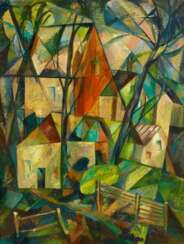







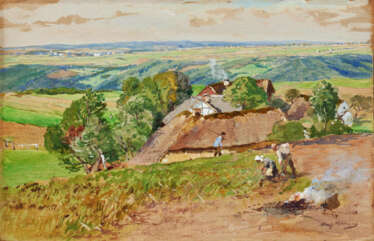

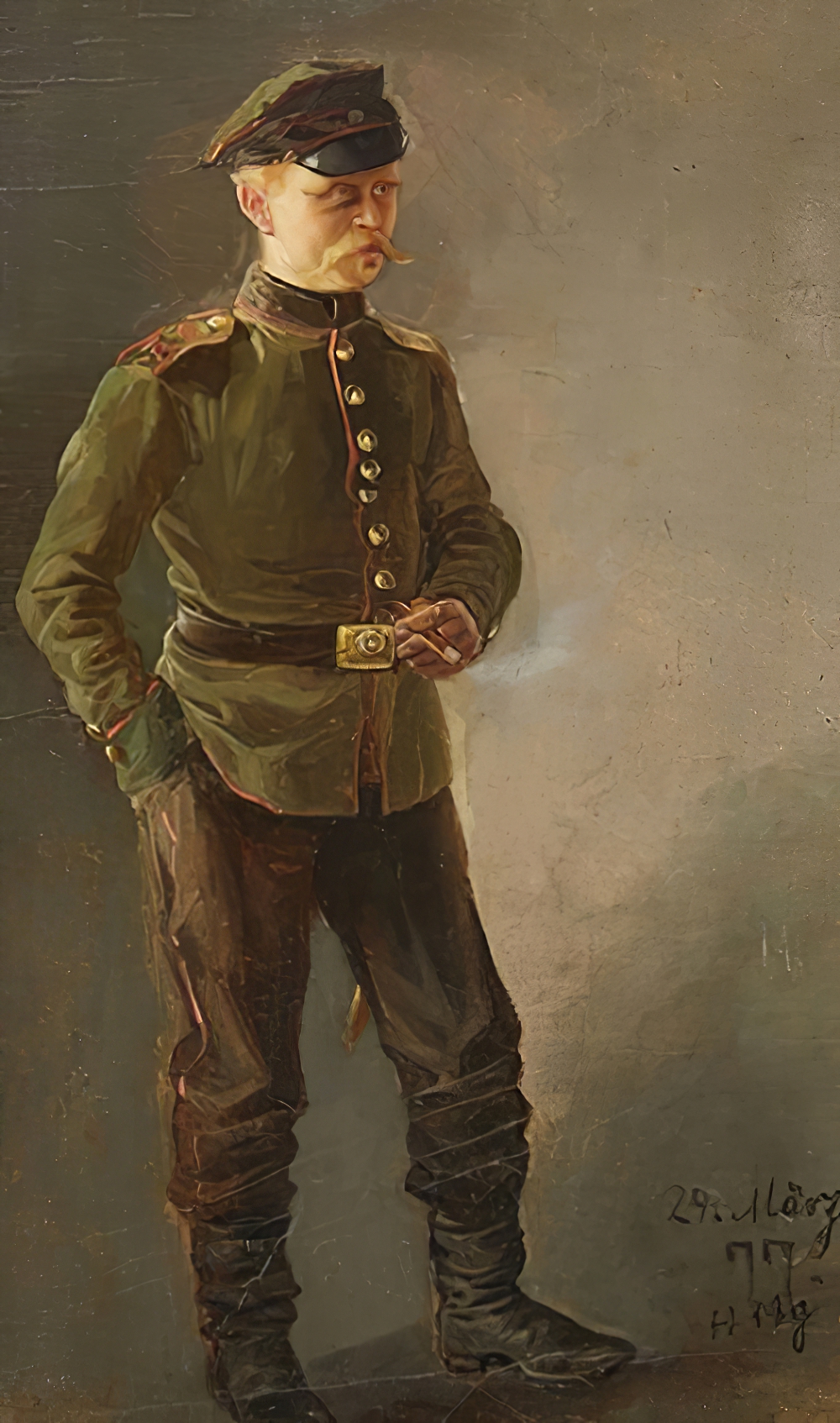
Hugo Mühlig was a German Impressionist painter. From 1881, he lived in Düsseldorf as a painter of landscapes and genre scenes.
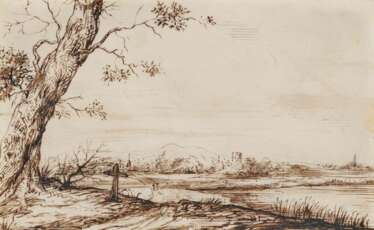

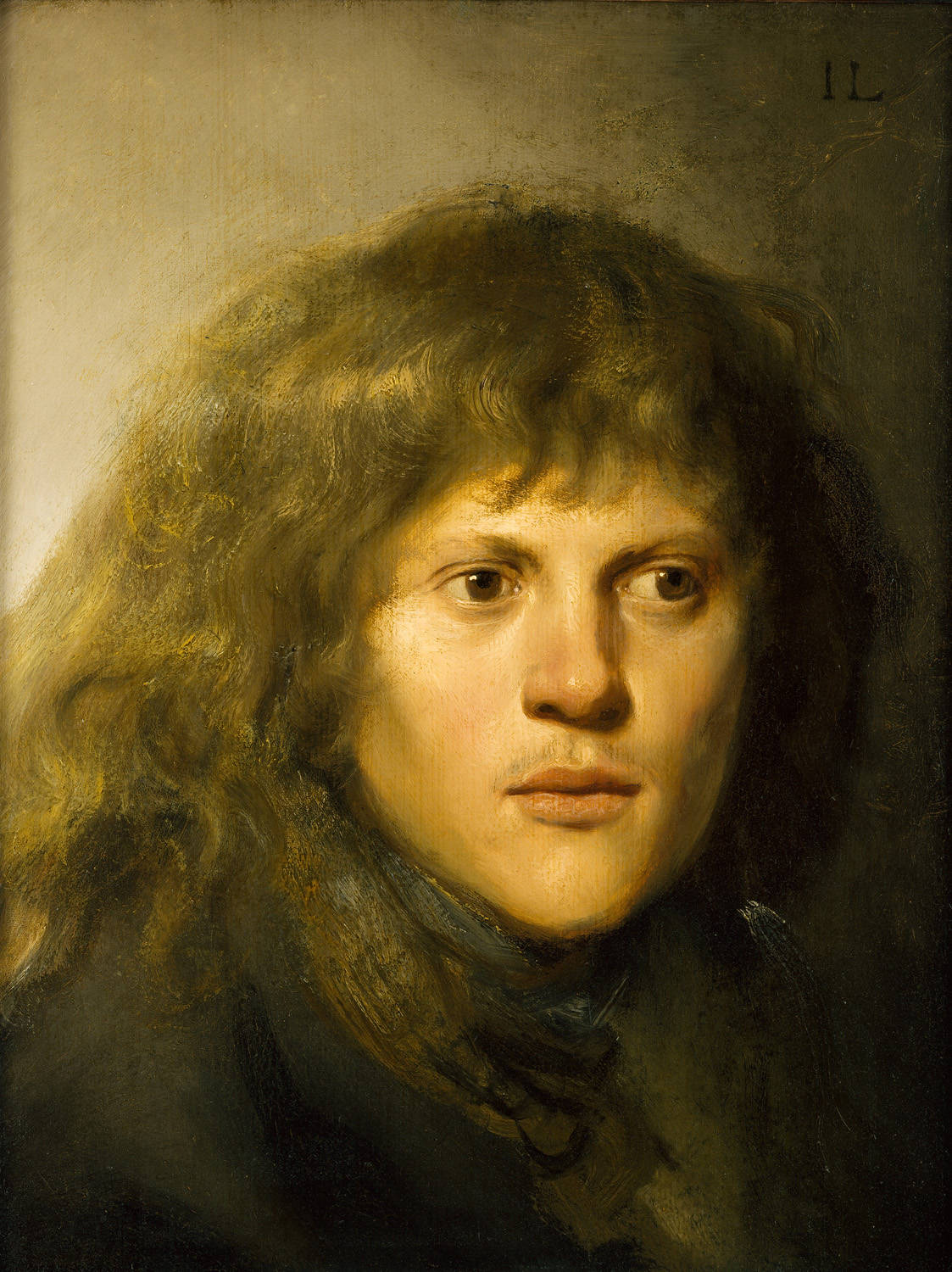
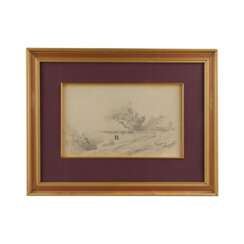
Jan Lievens was a Dutch painter, draughtsman, and engraver of the Golden Age and a member of the Guild of St. Luke in Antwerp.
It is known that while still very young, at the age of twelve, Lievens already created skillful paintings that amazed art lovers of Leiden. He was later friendly with Rembrandt, shared a studio with him, and painted in a similar style. Lievens was also a court painter in England and elsewhere.
Jan Leavens created genre scenes, landscapes, ceremonial portraits and sketches on various themes, as well as religious and allegorical images, which were already highly valued during his lifetime.








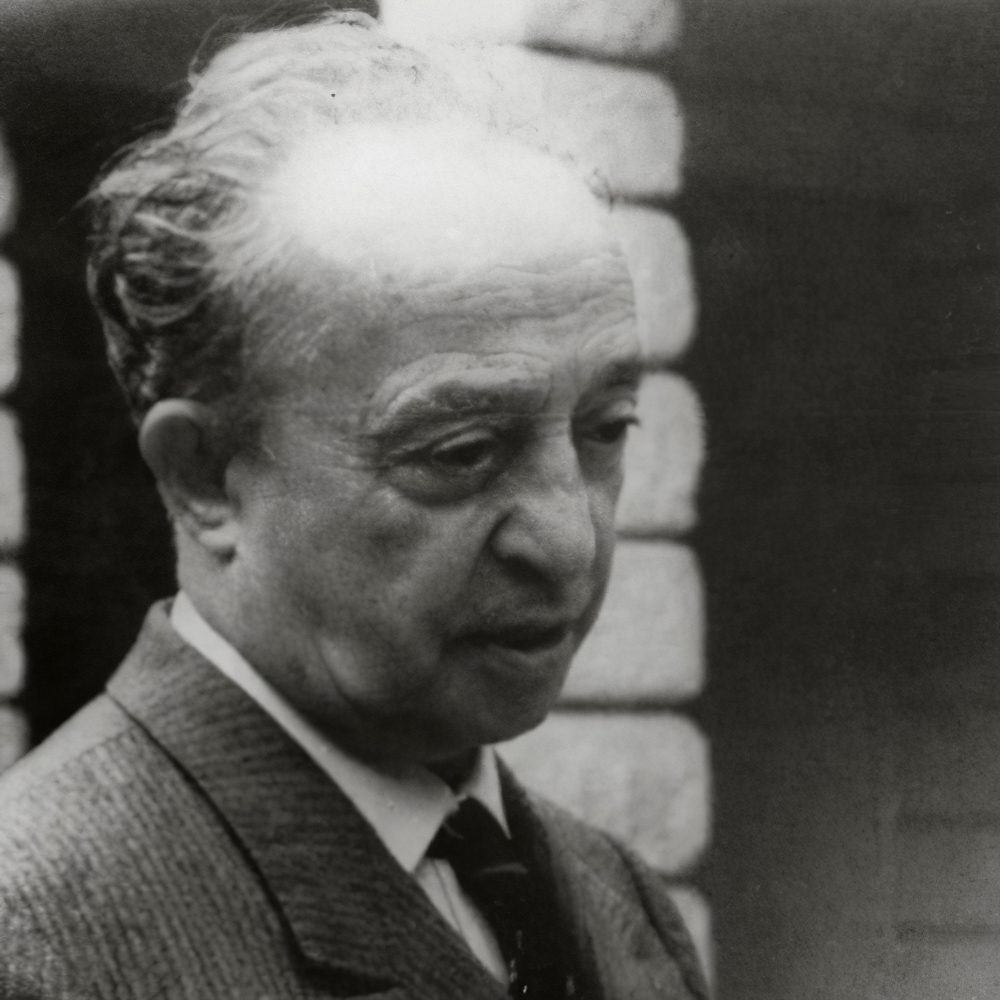
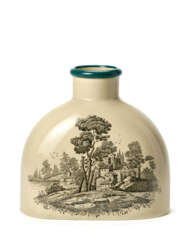
Tomaso Buzzi was an Italian architect and designer.
He also worked as a furniture and glass designer and wrote articles in Domus and Dedalo. Buzzi's slow departure from modernism accentuated after 1945, when he worked mainly as a private architect for the Italian aristocracy and the big bourgeoisie of the Volpi, Agnelli, etc.